
Changsha: A Comprehensive Guide to Living and Thriving in China’s Heartland
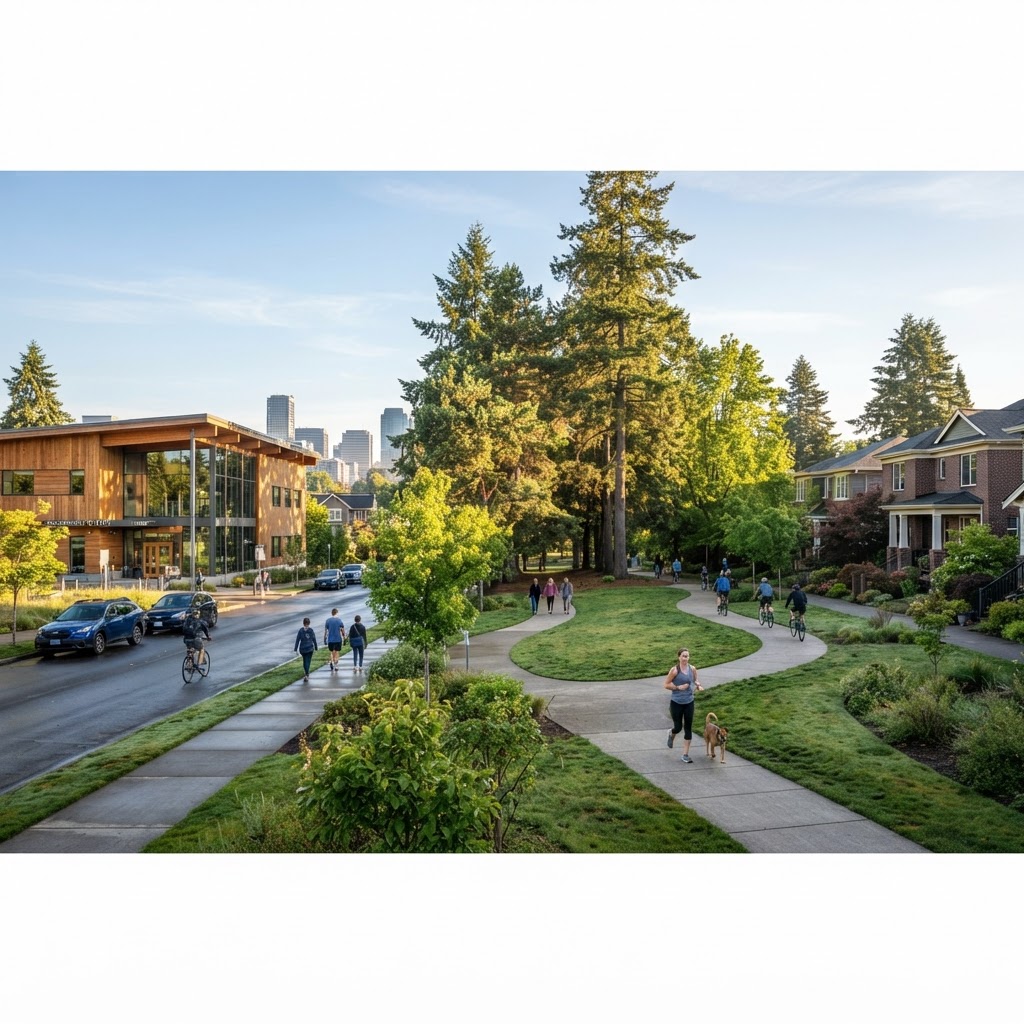
| City | Changsha (長沙) |
|---|---|
| Population | 3,093,980 |
| Timezone | Asia/Shanghai |
| Currency | CNY |
| National GDP/Capita Benchmark | $13,293 USD |
Settling Into Changsha: Neighborhoods and Lifestyle
Changsha is a city of contrasts, where ancient academic traditions meet a fast-paced, modern urban environment. For families and expats, choosing the right district is the first step in establishing a comfortable life. The city is divided into several key districts, each offering a distinct atmosphere.
Wuyi Square serves as the bustling commercial and entertainment heart of the city, ideal for those who want to be in the center of the action. For a more scenic and academic environment, the Yuelu Mountain area is highly regarded. Meanwhile, the Kaifu District, particularly near Wanda Plaza, and the High-Tech Zone offer modern residential options. The Furong District is favored for its established residential feel, while the Tianxin District provides a historic charm near the famous Huangxing Road Pedestrian Street.
- Explore Wuyi Square for central access to shopping and nightlife.
- Consider Yuelu District for proximity to historic sites and green spaces.
- Research the High-Tech Zone for modern housing and professional opportunities.
Transit and Connectivity
Navigating Changsha is efficient thanks to a robust public transportation network. The city is served by the Changsha Metro, which has expanded significantly to include 12 lines and over 170 stations, making it the primary mode of travel for residents. The metro system operates daily, typically from 6:30 to 23:00.
For regional and international travel, Changsha Huanghua International Airport (CSX) provides essential aviation access. Additionally, the city is a major node in China's high-speed rail network, with Changsha South Railway Station connecting the city to major hubs like Beijing and Guangzhou. For daily commuting, residents often utilize ride-sharing apps like DiDi, which are widely available and convenient.
- Download the Alipay or WeChat app to access 'Transport' mini-programs for metro QR codes.
- Purchase a Xiaoxiang transit card for potential discounts on metro and maglev fares.
- Use official ride-sharing apps for safe and reliable point-to-point travel.
Healthcare and Family Services
Changsha provides a solid healthcare infrastructure, with facilities comparable to other major Chinese cities. Residents have access to both public hospitals and private clinics. Notable institutions such as Xiangya Hospital and Central South University Hospital are well-equipped to handle a range of medical needs.
For families, the city offers international schooling options, including the Changsha Experimental International School and Changsha American International School, which provide curricula such as the IB and American programs. These institutions are designed to support the expatriate community with English-medium instruction.
- Verify the English-speaking capabilities of your preferred local clinic.
- Research international school enrollment requirements well in advance of your move.
- Keep a list of major hospitals like Xiangya Hospital for emergency reference.
Cultural Immersion and Daily Life
Life in Changsha is defined by its 'late-night' culture and world-renowned cuisine. Hunan cuisine, or Xiang cuisine, is famous for its bold, spicy flavors, featuring ingredients like fresh chillies, fermented black beans, and smoked meats. Iconic local dishes include stinky tofu and spicy crayfish, which are staples of the city's vibrant night markets.
Beyond food, the city is rich in history. Residents can spend weekends exploring the Hunan Provincial Museum, the historic Yuelu Academy, or taking a walk along the Xiang River and Orange Isle. The city's climate is humid subtropical, characterized by hot, humid summers and mild, though often gray, winters.
- Visit the Hunan Provincial Museum to understand the region's deep history.
- Experience the local night market culture at Pozi Street.
- Prepare for the humid summer climate with appropriate seasonal clothing.
Frequently Asked Questions
Is Changsha safe for families?
Yes, Changsha is considered safe for expats and families, with low rates of violent crime. As with any major city, it is recommended to exercise standard precautions in crowded areas.
How do I pay for public transport in Changsha?
The most convenient way to pay for the metro is by using the 'Transport' mini-program within Alipay or WeChat to generate a QR code. Foreign bank cards are generally not accepted at the gates.
What is the best time of year to visit or move to Changsha?
Spring (March–April) and Autumn (October–November) offer the most pleasant weather, as summers can be intensely hot and humid.
Explore More in Changsha
Continue your research on the Changsha City Hub, explore Hunan, or browse all China cities.
Official Sources & References
- Rewire Abroad: Living in Changsha
- Hunan Government Website: Changsha City
- WaysChina: Changsha Complete Guide
- Expat Exchange: Guide to Living in Changsha
Featured photograph credit: Photo: Huangdan2060 / Wikimedia Commons (CC0)