
Moving to Chengdu: Family Life, Metro Corridors, Parks & Expat Readiness
| Native Name | 天府 (Land of Abundance) / 成都 (Chéngdū) |
|---|---|
| Administrative Province | Sichuan Province, China |
| Verified GeoNames ID | 1815286 |
| Verified Population | 20,937,757 |
| Timezone & Currency | Asia/Shanghai (CST / UTC+8) | Renminbi / Chinese Yuan (CNY / RMB) |
| Cost Baseline Comparison | Scores ~65 on China cross-city living cost index (roughly 35% cheaper overall than Shanghai) |
The Chengdu Pace: Urban Vitality Meets Green Living
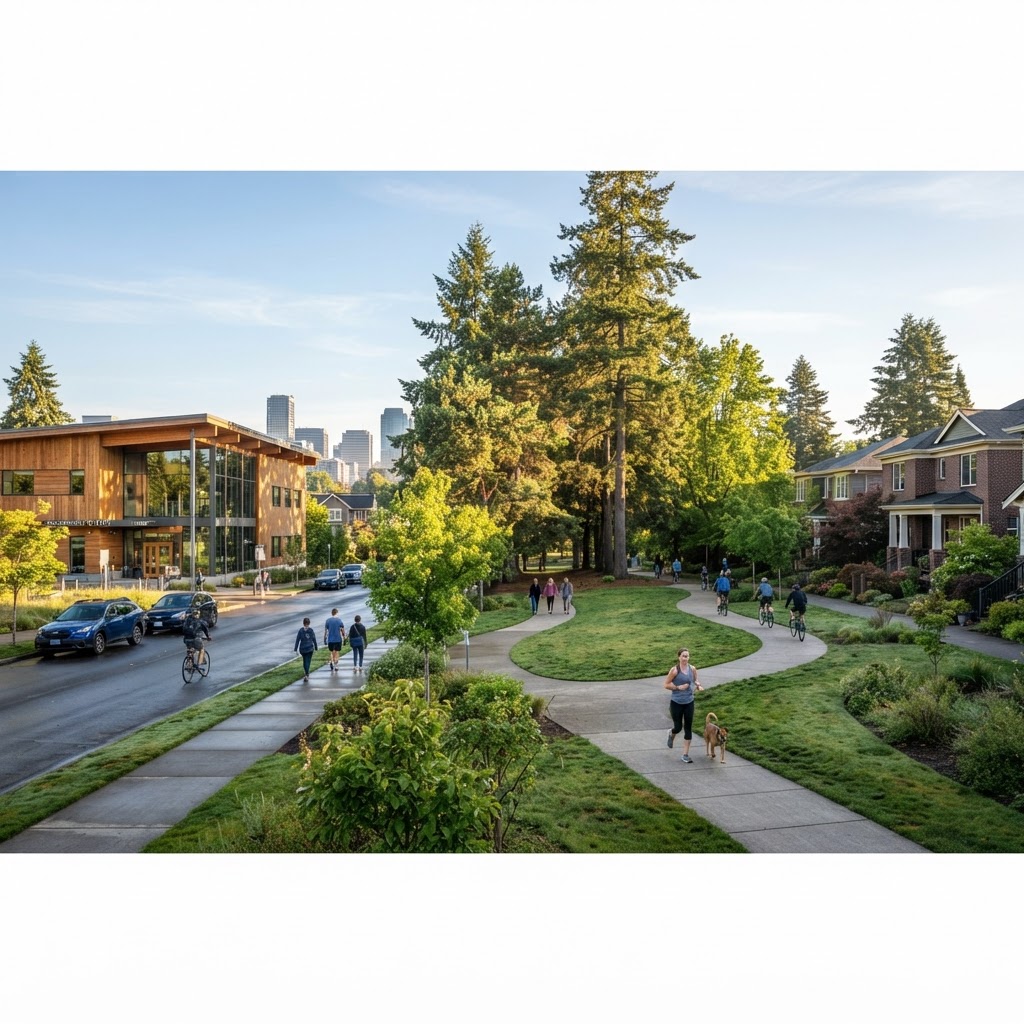
Known historically as the 'Land of Abundance' (Tianfu), Chengdu serves as the technological, industrial, and logistical capital of Southwest China while preserving a distinctly leisurely social rhythm. Unlike the relentless corporate pressure typical of Shanghai or Shenzhen, daily life in Chengdu unfolds along tree-lined riverside promenades, bustling street markets, and outdoor tea gardens. The city's legendary hospitality is grounded in Sichuanese dining traditions, vibrant community interaction, and an urban layout designed around livability.
With a population surpassing 20 million residents, Chengdu seamlessly integrates sprawling historic core quarters—such as Qingyang and Jinjiang—with hyper-modern, master-planned economic hubs extending along the southern axis. For relocating expatriate families, this environment translates to expansive housing compounds, clean public parks, reliable digital conveniences, and a welcoming local population accustomed to global commerce and international exchanges.
- Download essential digital lifestyle apps early (WeChat, Alipay) linked to local or international bank cards.
- Expect distinct four-season weather with humid, overcast winters and warm summers; verify residential heating options beforehand.
- Embrace local dining: mild, child-friendly culinary options (such as non-spicy hot pot broths) coexist alongside famous spicy Sichuan specialties.
Neighborhood Profiles: Where Expat Families Settle
The residential geography of Chengdu follows a series of concentric ring roads and a prominent southern development corridor. Established expatriate quarters have long clustered in Wuhou District, specifically the Tongzilin and Yulin neighborhoods situated between the 1st and 3rd Ring Roads. These leafy, walkable enclaves offer a tight-knit international social fabric, boutique coffee shops, foreign supermarkets, European bakeries, and immediate access to central subway routes.
For families seeking newer properties, international school campuses, and corporate headquarters, the High-Tech Zone (Gaoxin) and the expansive Tianfu New Area represent the primary hubs. Characterized by wide boulevards, self-contained residential compounds with extensive indoor play areas and pools, and close proximity to technology campuses, this southern axis has become the standard choice for multinational corporate relocations. Closer to the core, Jinjiang District and riverside Jiuyanqiao balance upscale modern towers with active dining and nightlife.
- Wuhou (Tongzilin / Yulin): Highly walkable, leafy, mature expat enclave with established clinics, dining, and metro access.
- High-Tech Zone (Gaoxin): Modern master-planned developments, tech hubs, consular compounds, and premier foreign-passport schools.
- Tianfu New Area: Spacious new builds, extensive green parks like Xinglong Lake, and tranquil suburban environments with longer commutes to downtown.
- Qingyang / Jinjiang: Historic cultural atmosphere, scenic riversides, and easy access to central landmarks like Tianfu Square and Wide and Narrow Alley.
Transit Corridors: High-Speed Metro & Airport Links
Navigating Chengdu is remarkably efficient thanks to an expansive public transit system spanning over 17 operational metro lines and nearly 500 stations. The subway network is clean, air-conditioned, stroller-friendly, and equipped with comprehensive bilingual signage in Chinese and English. Crucial loop corridors like Metro Line 7 allow cross-city transit between outer ring districts and key high-speed rail terminals—including Chengdu East, South, and West railway stations—without congesting the central hub at Tianfu Square.
Long-distance and commuter connectivity extends down the southern spine via Metro Lines 1, 6, and 18, linking central business districts directly with Western China International Expo City and the newer southern suburbs. Air travelers are served by two major aviation gateways: Chengdu Shuangliu International Airport (CTU) for domestic and regional flights, and Chengdu Tianfu International Airport (TFU), situated 50 kilometers southeast and connected to the urban core via high-speed transit lines and expressway networks.
- Set up contactless QR transit payments through the Alipay or WeChat mini-programs for subway and bus access.
- Use Metro Line 7 to transit circularly across town without having to transfer at crowded central stations.
- Take note of metro stations serving local rail hubs (Chengdu East for major national routes, South for provincial connections).
- Didi ride-hailing is exceptionally affordable and accessible for school runs and suburban family errands.
Family Life, Greenways & International Education
Chengdu has invested heavily in creating a child-friendly environment anchored by its ambitious ecological greenway network. Families can spend weekends cycling or scooting along car-free paths bordering wetlands, urban waterways, and lakes such as Xinglong Lake in the south. Traditional urban green spaces like People's Park (Heming Teahouse) in Qingyang District offer leisurely afternoons of paddle-boating and tea culture, while the world-famous Chengdu Research Base of Giant Panda Breeding remains an enduring family favorite.
When considering education, Chengdu offers foreign-passport schools as well as bilingual private institutions running IB, British (IGCSE/A-Level), and American AP curricula. Prominent schools include the long-standing Chengdu International School (Gaoxin), Léman International School, Chengdu Meishi International School, and Yew Chung International School (YCIS) Chengdu. Foreign-passport school fees typically range from ¥130,000 to ¥280,000 CNY annually, while bilingual options span ¥100,000 to ¥220,000 CNY, with admissions typically opening in early spring.
- Enrollment timing: Begin submitting international school applications between November and March for the upcoming September term.
- Verify school license type: Foreign-passport schools require non-Chinese passports or permanent residence, whereas bilingual academies welcome all.
- Explore Tianfu Greenway paths and lakeside recreation zones for safe, traffic-free weekend family cycling.
- Budget for supplemental school fees (bus transport, uniforms, meal services, and capital registration fees).
Cost of Living & Expat Readiness Logistics
Financially, Chengdu offers substantial relief compared to Tier-1 coastal cities. Overall costs run approximately 35% lower than Shanghai, primarily driven by moderate residential rents and low grocery and restaurant prices. A modern two- or three-bedroom apartment in desirable districts like Gaoxin or Jinjiang ranges between ¥6,000 and ¥18,000 CNY per month, while comfortable local apartments in areas like Wenjiang or Shuangliu can start under ¥5,000 CNY.
Monthly family budgets for a household of four—factoring in two international school tuitions, a spacious modern compound, dining out, utilities, and domestic help—generally sit between ¥40,000 and ¥90,000 CNY. Medical care for expatriates is readily supported by international clinics and foreign-patient VIP wings in major tertiary university hospitals (such as West China Hospital), ensuring comprehensive family care.
- Temporary accommodation: Book 2–4 weeks in a serviced apartment in Wuhou or Gaoxin while touring neighborhoods with a licensed realtor.
- Police registration: Ensure your landlord or hotel completes your mandatory foreign resident registration (Accommodation Registration Form) within 24 hours of arrival.
- Healthcare coverage: Confirm family health insurance plans include direct billing at local private and VIP hospital wings.
- Banking & mobile: Secure a local SIM card and open a Chinese bank account immediately to unlock ubiquitous mobile payment networks.
Frequently Asked Questions
What is the typical cost of living for an expat family in Chengdu?
A family of four living in a modern apartment compound with children attending international schools generally spends between ¥40,000 and ¥90,000 CNY per month. Rent for a quality three-bedroom home in Gaoxin or Wuhou runs between ¥6,000 and ¥18,000 CNY, while tuition represents the largest budget factor.
Which districts are best for expat families moving to Chengdu?
The High-Tech Zone (Gaoxin) and Tianfu New Area are preferred by expat families due to newer apartment compounds, proximity to international schools, and modern parks. For walkable, central living with a mature expat community and international cafes, Tongzilin and Yulin in Wuhou District are ideal.
What international curricula are available for children in Chengdu?
Chengdu offers the International Baccalaureate (IB PYP, MYP, and DP), British Curriculum (IGCSE and A-Levels), and American curricula featuring Advanced Placement (AP) courses at institutions like Chengdu International School, Léman International School, and Chengdu Meishi International School.
How easy is it to get around Chengdu without a personal car?
Chengdu is exceptionally navigable without a car. The city features over 17 metro lines serving 489 stations, comprehensive bus corridors, abundant shared bikes, and ubiquitous, low-cost DiDi ride-hailing services. Metro Line 7 provides circular connections across outer districts, and dedicated lines reach both Shuangliu (CTU) and Tianfu (TFU) international airports.
Explore More in Chengdu
Continue your research on the Chengdu City Hub, explore Sichuan, or browse all China cities.
Official Sources & References
- China Visit Guide — Living in Chengdu as an Expat
- ExpatDen — Living in Chengdu: Costs, Visas, and Districts
- ISA — How to Choose an International School in Chengdu
- ExpatDen — Cost of Living in Chengdu Benchmark Index
- Chengdu Metro Transit Network Overview
Featured photograph credit: Photo: Kristoffer Trolle / Wikimedia Commons (CC BY 2.0)